
01
Waste the market rejects
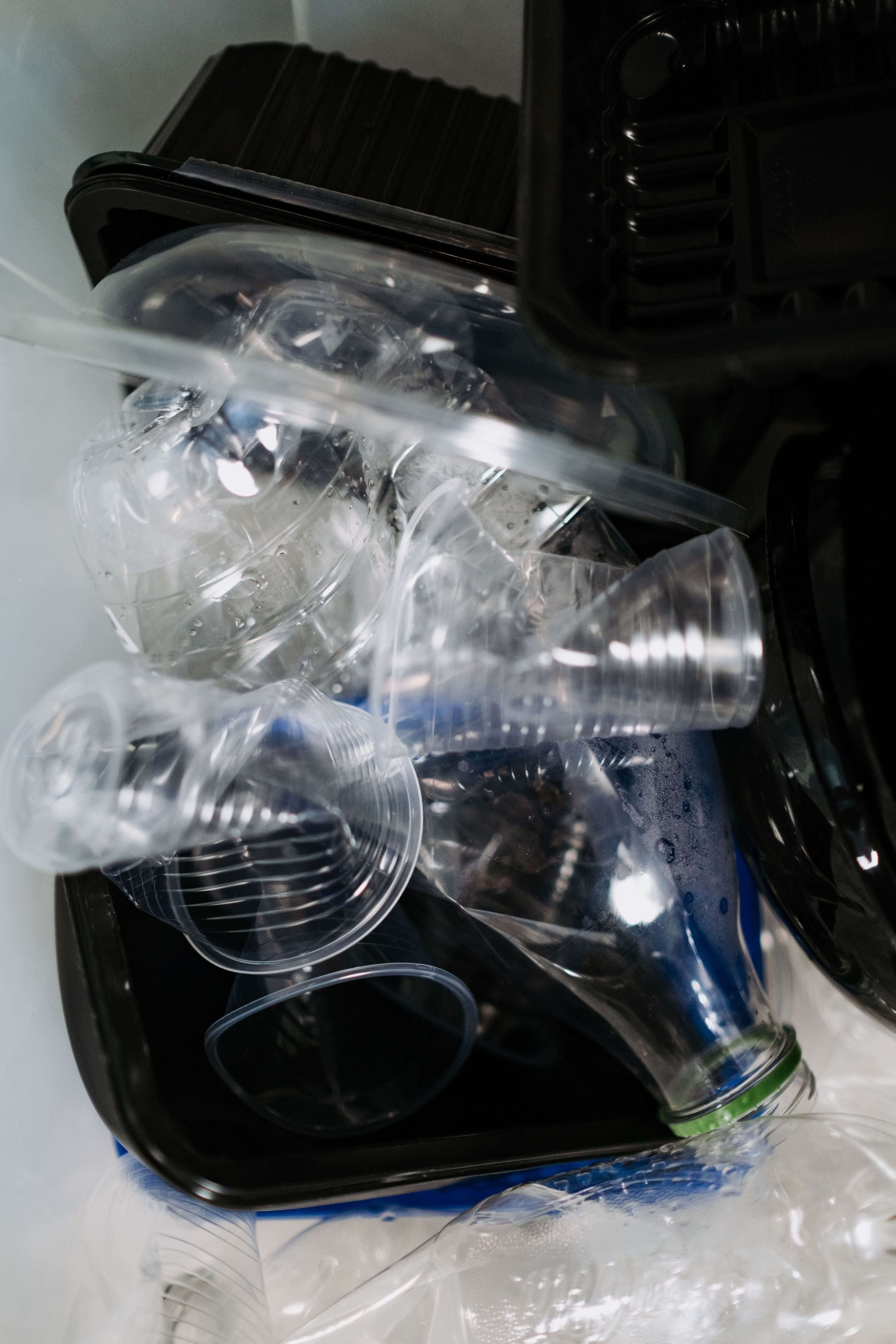
Plastic-rich streams currently treated as disposal liabilities become the starting point for circular carbon recovery.
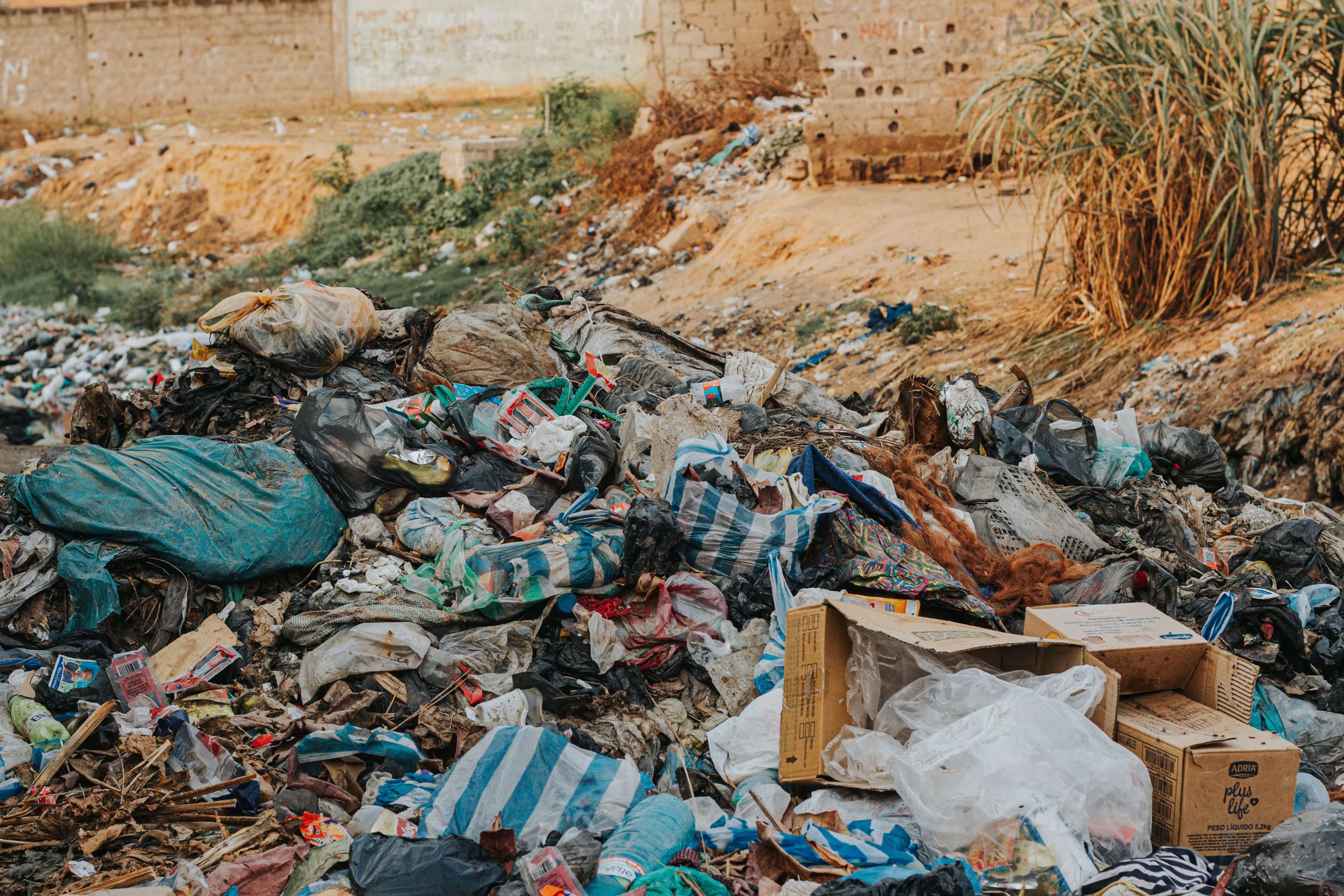
CarbonM FuelMax converts non-recyclable plastic waste into circular fuel/feedstock for ships and heavy industry using Oleum V1 and Alkanalyze.
Mixed, low-value plastic streams are often too difficult for mechanical recycling, but the embedded carbon can still be recovered into industrial pathways.
Tonnes of plastic produced annually globally.
Effectively recycled through conventional routes.

Carbon recovery opportunity
Recovering value from plastic streams that the current recycling system leaves behind.
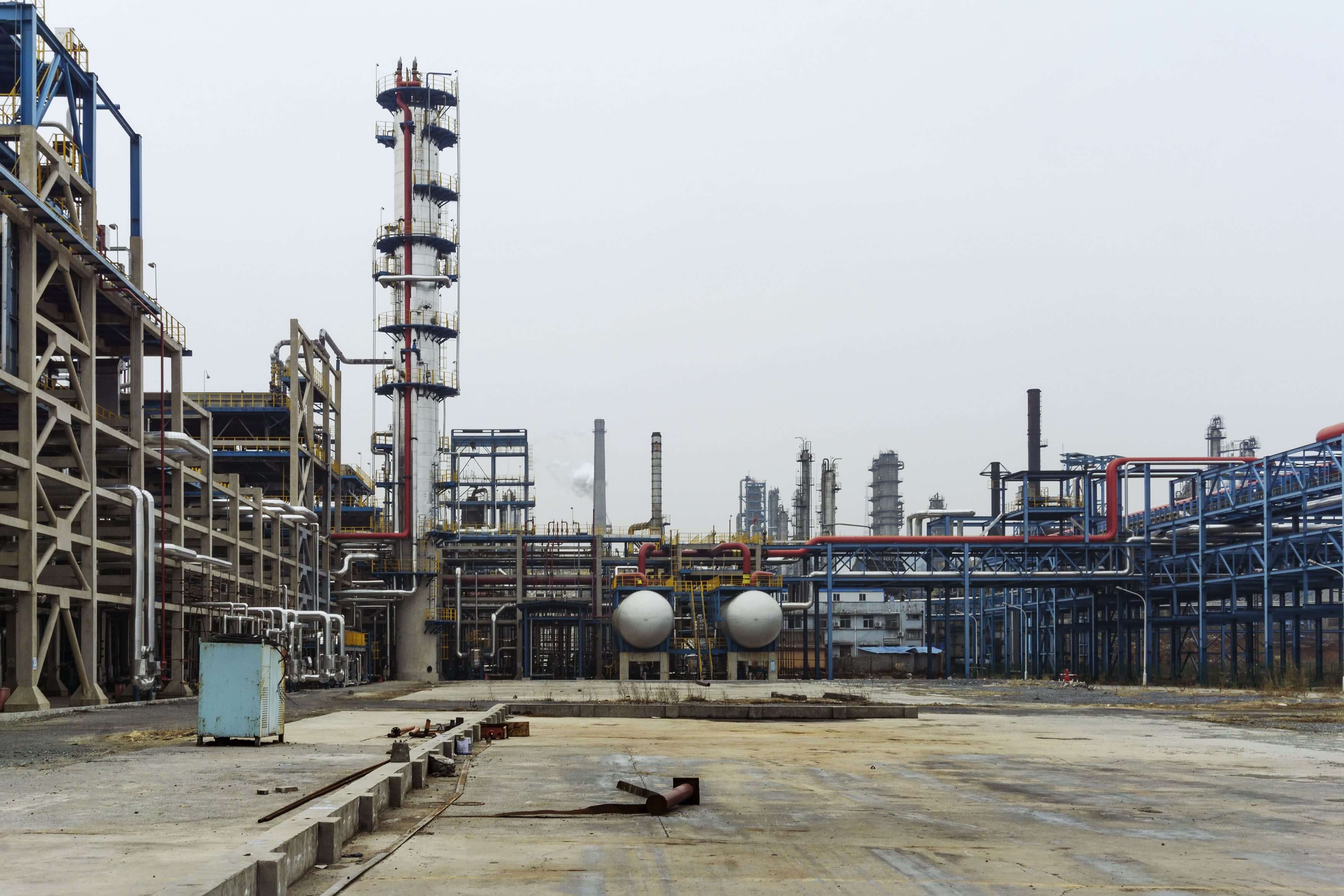
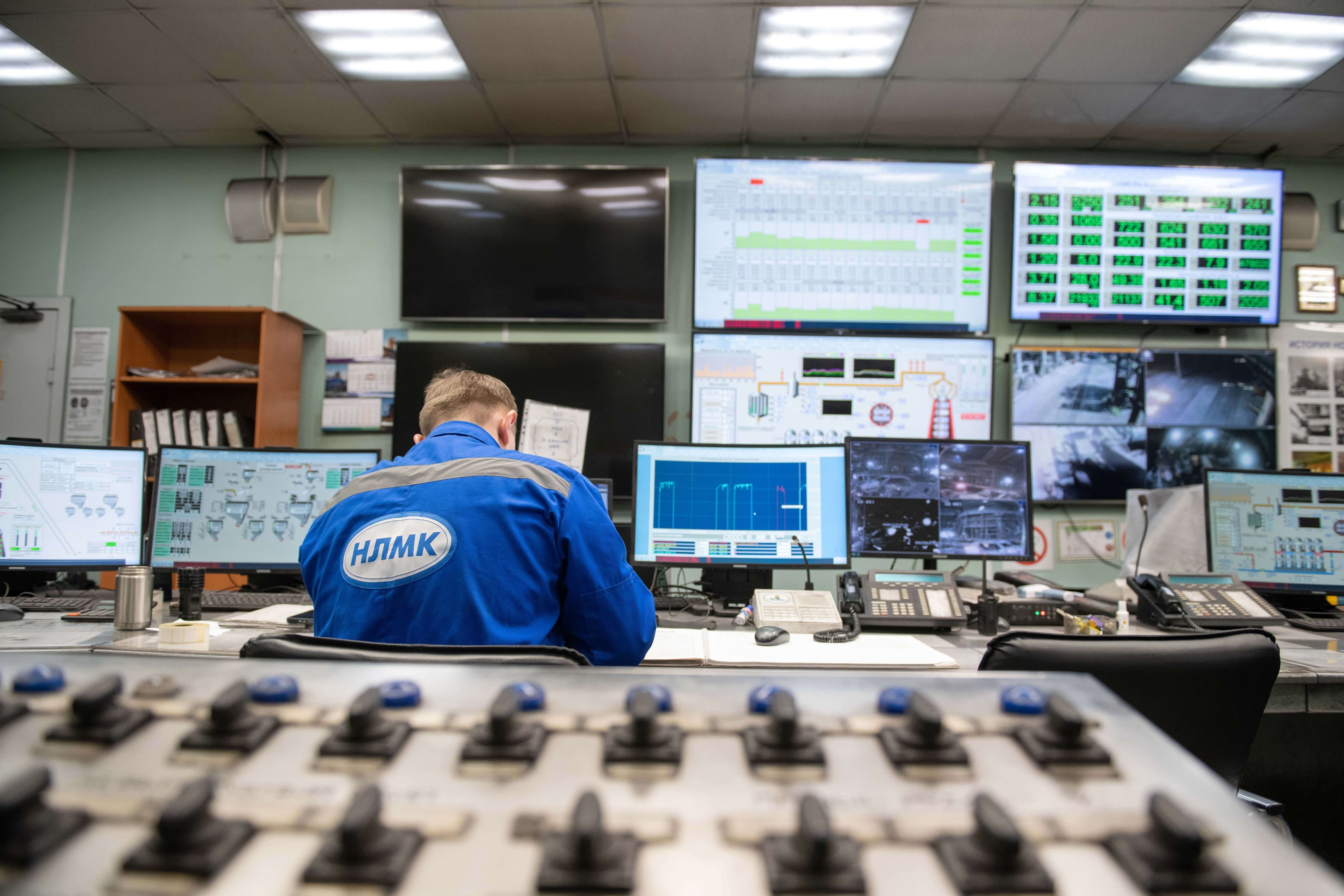
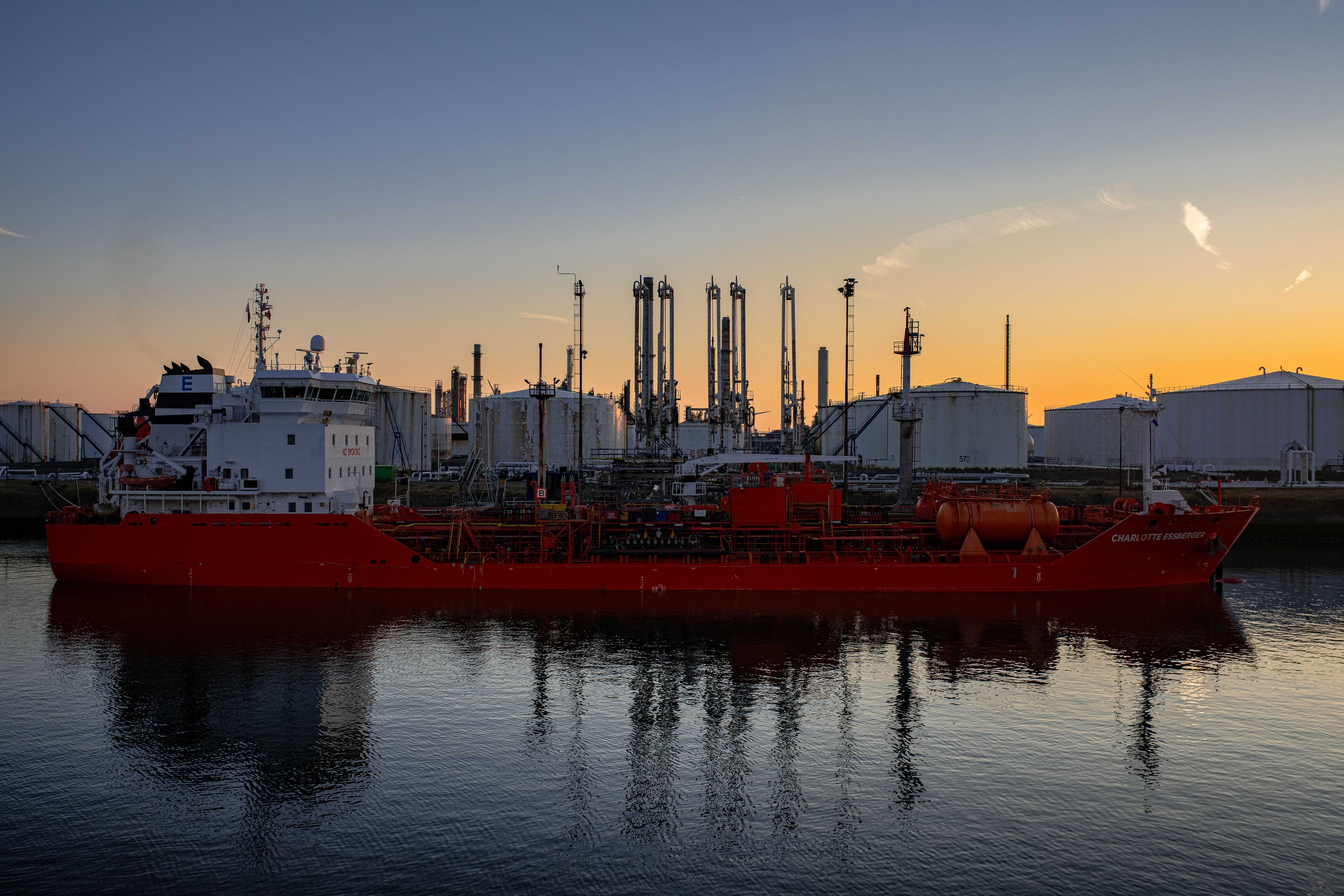
A pinned visual sequence showing CarbonM's conversion and intelligence stack.
Plastic-rich streams currently treated as disposal liabilities become the starting point for circular carbon recovery.
Feedstock is aggregated, prepared and mapped so variability is visible before it enters the process.
CarbonM's continuous platform converts difficult mixed plastics into circular fuel/feedstock under controlled operating windows.
Sensor data, feedstock quality and output measurements form a feedback loop for consistency, traceability and learning.
FuelMax and NovaNaph are tested through application-specific blending, safety and quality pathways.
Hard-to-abate sectors gain a route to circular carbon without waiting for full infrastructure replacement.
The CarbonM stack is presented as a controlled sequence: waste mapping, Oleum V1 conversion, Alkanalyze feedback and application-specific validation.
Mixed plastic streams that mechanical recycling cannot economically absorb.
Input quality is assessed, logged and prepared for controlled conversion.
Continuous conversion recovers hydrocarbon value from non-recyclable plastics.
Process data is used to predict, monitor and improve output consistency.
Outputs move into third-party testing and application-specific validation.
Hard-to-abate users gain a circular carbon pathway after partner qualification.
A conversion platform and intelligence layer designed to turn variable waste into measurable, traceable circular fuel/feedstock.
Continuous conversion for difficult mixed plastic streams.
Oleum V1 is CarbonM's continuous conversion platform for transforming landfill-bound, non-recyclable plastics into circular fuel/feedstock with industrial reliability.
Process intelligence for consistency, traceability and quality control.
Alkanalyze is the intelligence layer that analyzes feedstock, monitors reactor conditions, predicts output quality and helps operators standardize waste-derived production.
Selected values are based on third-party testing shared by CarbonM from Macana Labs. Final fuel approval remains partner-specific.
Raw pyrolysis oil is upgraded toward a cleaner, lower-contaminant fuel/feedstock stream while maintaining high liquid recovery.
Ships, industrial boilers, furnaces, cement, refineries and petrochemical feedstock routes each need their own validation pathway.
Circular fuel/feedstock pathway designed for validation with marine fuel blenders and operators seeking lower-fossil blends.
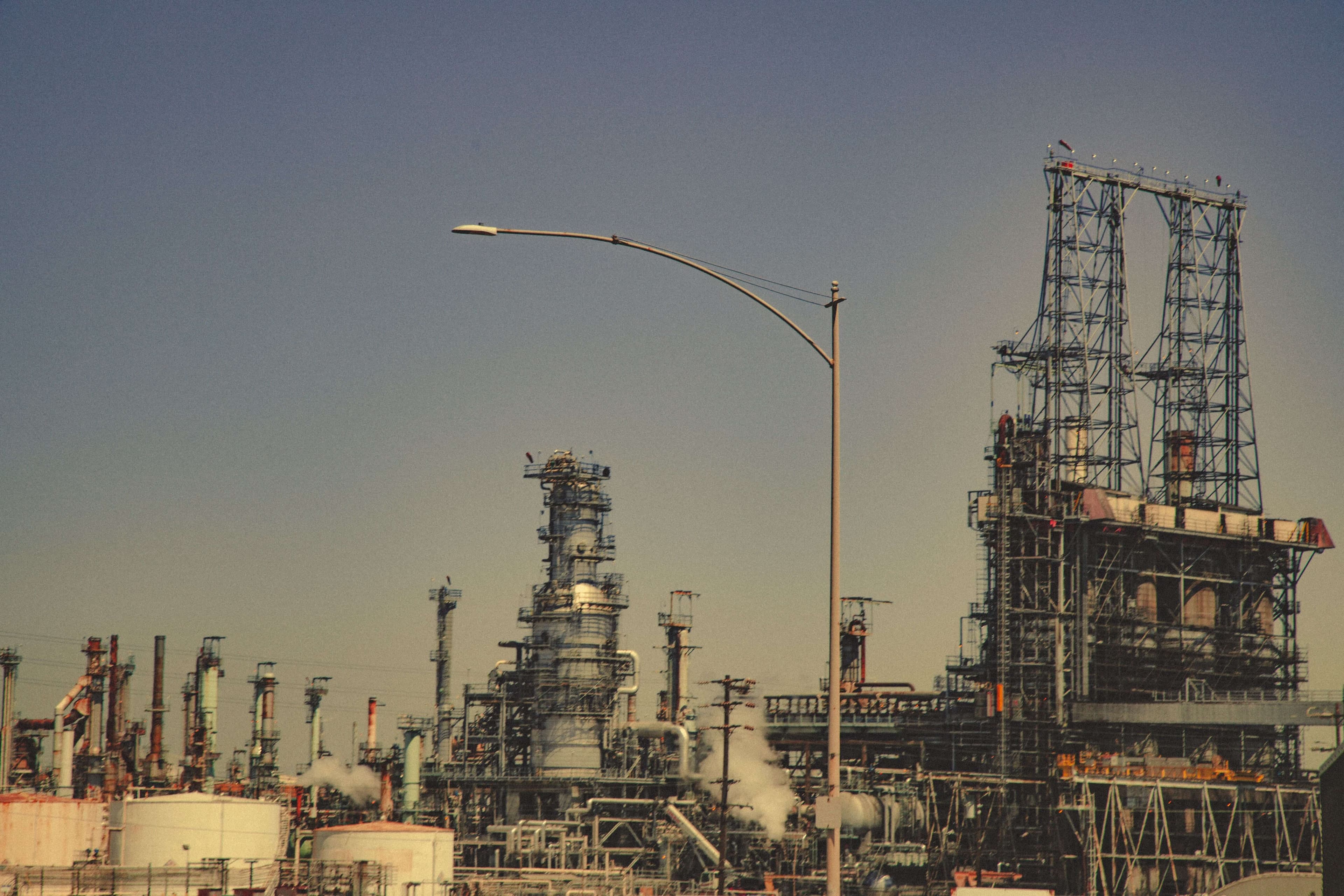
Dense liquid energy route for facilities that still depend on LDO, furnace oil or other industrial fuels.
Potential fuel and feedstock route for energy-intensive sites where electrification is difficult in the near term.
A circular hydrocarbon stream designed for future blending, upgrading and specification validation with downstream partners.
Metrics are presented as potential or target figures until verified operating data is available.
Potential non-recyclable plastic waste diverted from landfill, dumpsites and low-value disposal routes.
Potential / target metric
Potential reduction in conventional fossil fuel demand for partner industrial operations after validation.
Under validation
Target traceability from feedstock intake through conversion, quality checks and fuel/feedstock delivery.
System design target
Potential value creation from plastic-rich reject streams that currently have low or negative recovery value.
Modelled estimate
Certification, compliance and fuel specifications are presented as testing and partner-validation workflows.
Output quality, feedstock characterization and operating windows are being validated before scale-up claims are made.
Plant design, instrumentation and partner workflows are being prepared for first-of-a-kind demonstration operations.
Waste suppliers, industrial fuel buyers, marine blenders and research partners can participate in validation.
Specifications will be published only after third-party laboratory testing and application-specific validation.
CarbonM continues to pursue validation funding and institutional support for scale-up.
Traceability and certification pathways are being designed for future circular fuel/feedstock acceptance.
Technical and market notes on waste, circular fuels, Oleum V1, Alkanalyze and industrial decarbonization.
Mixed, non-recyclable plastic is usually treated as a disposal problem. CarbonM sees it as misplaced circular carbon for industrial use.
Hard-to-abate sectors need practical transition fuels. Circular hydrocarbon streams can become one part of that bridge.
The technology problem is not only conversion. It is variability. Alkanalyze is built around that gap.
Whether you are a waste supplier, industrial fuel buyer, marine operator, refinery/blending partner, research partner or investor, we would like to explore the right pilot pathway.